
"wind stains"
200 article(s) found

Indian monsoon beans | weathered beans Monsooned Malabar Malabar coffee beans
The exchange of professional baristas please follow the coffee workshop (official Wechat account cafe_style) about Malabar soy Malabar coffee, which has been favored by Europeans since the 17th century. This kind of wind-stained coffee is a new flavor created inadvertently. In the 17th and 18th centuries, India shipped coffee beans to Europe by sailboat, which took six months and raw beans.

Guide to the baking curve of Malaba Coffee description of the taste and flavor of Malaba coffee by different treatments
Professional coffee knowledge exchange more coffee bean information Please pay attention to the coffee workshop (Wechat official account cafe_style) the wind-stained coffee needs to be made with sun-soaked beans, all the factories dealing with wind-stained coffee face to the west to welcome the salty and wet monsoon blowing from the southwest sea, the coffee beans are spread flat in the wind-soaked field, the windows are all open, and then enter the bag after the wind stains to a certain extent, but because of passing.

What kind of coffee beans are Indian-style Malaba coffee (monsoon coffee)? What kind of flavor?
What kind of coffee beans are Indian-style Malaba coffee (monsoon coffee)? What kind of flavor? Producing area: South India-Karnataka West Gaozhi Mountain Manor: Belakamona Manor Variety: Katim, Kent, S795 Grade: AA altitude: 1100m 1200m treatment method: wind stain Malaba in India is a well-known boutique bean, the treatment process is by people.

The unique flavor of Indian monsoon stains is good for the taste of wind-stained Malaba coffee beans.
There are several reasons why Indian coffee is so popular with coffee lovers, but the most important one is due to a process used on coffee beans, often called the monsooninR process. In the past, it took about a few months for passengers or goods to travel to and from India by sailboat.
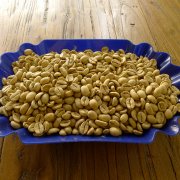
Indian monsoon treatment wind-stained Malaba boutique coffee cooked beans freshly roasted mellow black coffee
Coffee beans details: country: India production area: Malaba coast producer: India local farmers altitude: 3-1100 m treatment method: sun wind stain treatment grade: AA flavor: wheat, walnut wood, Nanyang spice, black honey every May or June, there will be a monsoon phenomenon in southwestern India, exposing raw coffee beans to the caress of the Indian Ocean seasonal sea breeze

How to drink Indian style-stained Malaba Coffee _ recommended by Indian Coffee Bean Brand _ is Indian Coffee good
Professional coffee knowledge exchange more coffee bean information please follow the coffee workshop (Wechat official account cafe_style) 01 Coffee production areas in India coffee was brought into the establishment of the first coffee farm by pilgrims as early as the 16th century, you may not imagine that India produces a lot more coffee than Ethiopia and any Central American country, with 900000 hectares of land growing coffee.

Indian coffee bean brand recommendation _ Indian style stained Malaba coffee tastes good? how much is Indian coffee?
Professional coffee knowledge exchange more coffee bean information please follow the coffee workshop (Wechat official account cafe_style) Indian style-stained Malaba coffee, also known as Indian monsoon coffee (Monsooned Coffee), is inadvertently created a new flavor. In the 17th and 18th centuries, India shipped coffee beans to Europe by sailboat, which took six months, and the raw beans were placed at the bottom of the barn.

Which brand of Indian coffee is good? the origin of Indian coffee beans? how much is Indian coffee beans per jin?
Professional coffee knowledge exchange more coffee bean information Please follow the coffee workshop (official Wechat account cafe_style) when it comes to Asian coffee, most people will first think of Indonesian gold Manning or Toraya, or Vietnamese coffee or Lao coffee, as well as recently rammed up Taiwan coffee, Yunnan coffee and so on. Indian coffee has a long history, and it is also Asia.

Indian-style Malabar coffee has been favored by Europeans since the 17th century.
Professional coffee knowledge exchange more coffee bean information Please follow the coffee workshop (official Wechat account cafe_style) refined wind-stained coffee on rainy days ~ we'll talk about it later. Coffee became the number one drink in the world only 1600 years later, so the recorded history of coffee is only 400 years similar to that of Taiwan. Most people recognize that Africa is the origin of coffee.

What kind of coffee is Indian monsoon Maraba? introduction to the natural drying method of special sun in India
Professional coffee knowledge exchange more coffee bean information please follow the coffee workshop (Wechat official account cafe_style) Indian coffee was brought into the establishment of the first coffee farm by pilgrims as early as the 16th century. You may not imagine that India produces much more coffee than Ethiopia and any Central American country, with 900000 hectares of land growing coffee beans and about 140000 in India.

Introduction to the production process of Indian style soiled coffee beans. What is the taste of monsoon Malaba coffee?
Professional coffee knowledge exchange more coffee bean information please follow the coffee workshop (Wechat official account cafe_style) old coffee, are you nostalgic? I am. After 4 months of wind treatment, the sea breeze blew, and the green beans finally turned golden. What has changed is not only seen by the naked eye? How do you know what traces of time are without a sip? The source of Indian wind-soaked beans

Description of characteristics and Flavor of Malaba Coffee description of Regional characteristics of planting areas of Malaba Coffee
Professional coffee knowledge exchange more coffee bean information please follow the coffee workshop (Wechat official account cafe_style) about the wind-stained Malabar, wind-stained Malaba coffee is a coffee from the Malabar region of India, with a strong wheat tea flavor, bean appearance and flavor unique coffee. Coffee has been the unique flavor of Indian-style Malaba coffee since the 17th century.

What are the characteristics of Indian style-stained coffee? Is the Indian Malaba coffee good?
Professional coffee knowledge exchange more coffee bean information Please follow the coffee workshop (Wechat official account cafe_style) in the early years, Indian coffee was transported by sea from the coast of Malaba to Europe, which often took about six months to arrive in Europe. In the long process of shipping, under the influence of sea breeze and monsoon, these coffee beans gradually develop their flavor and color.

How to make Malaba Coffee and drink Malaba Coffee? what are the famous coffee estates in famous producing areas?
Professional coffee knowledge exchange more coffee bean information please pay attention to the coffee workshop (Wechat official account cafe_style) wind-stained coffee is inadvertently created a new flavor. In the 17th and 18th centuries, India shipped coffee beans to Europe by sailboat, which took six months. The raw beans were placed on the bottom of the barn and absorbed the moisture and salty taste from the sea surface. The raw beans arrived in Europe and went bad in color.
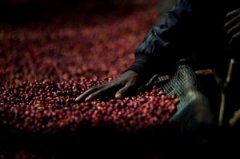
Boutique Indian coffee wind-stained Malaba coffee beans
Indian coffee style stained Malaba coffee beans our mysterious impression of India is not only its coffee, but also tea, temples, yoga, sitaqin, or even the more negative abnormal big cities, and so on. The reason why there are so many kinds of Indian beans on the market today must be attributed to the indomitable Indian coffee expert and importer Dr. Joseph Johns. Past 10

Indian coffee wind-stained Malaba coffee beans
Indian Coffee style stained Malaba Coffee beans Indian Coffee-enigmatic Coffee in a mysterious country our mysterious impression of India is not only in its coffee, but also in tea, temples, yoga, sitaqin, or even the more negative abnormal big cities. The reason why there are so many kinds of Indian beans on the market today must be attributed to the indomitable Indian coffee experts and imports.

How is India Monsooned Malabar Malaba coffee roasted? How do you drink Malaba coffee?
Professional coffee knowledge exchange more coffee bean information please follow the coffee workshop (Wechat official account cafe_style) to talk about Asian coffee, perhaps the first thing that reminds the public of is Indonesia's Mantenin. But in fact, the first country in Asia to grow coffee should be India. It is said that the coffee tree species in Indonesia was introduced by the Dutch from India in the 17th century. The famous Indian Coffee Mara

What's the flavor of Indian-style coffee? How can the Indian monsoon Malaba taste good?
Professional coffee knowledge exchange more information about coffee beans Please pay attention to the coffee workshop (official Wechat account cafe_style) Coffee has become the first drink in the world only 1600 years later, so the recorded history of coffee is only 400 years similar to that of Taiwan. It is generally recognized that Africa is the home of coffee, originated in Ethiopia and spread around the world from the port of Mocha in Yemen.

What is Indian Malaba coffee? What is the way to handle Indian coffee? Malaba coffee
Professional coffee knowledge exchange more coffee bean information please follow the coffee workshop (Wechat official account cafe_style) India's wind-stained Malaba coffee, is one of the world's most famous boutique coffee beans, also known as monsoon coffee beans in Taiwan, named after its English name Monsoon (monsoon), his treatment is very complicated and strange, mainly through the earth.

Indian coffee beans need three to four months of wind soaking, green beans will increase by 2-3 times
Professional coffee knowledge exchange More coffee bean information Please pay attention to coffee workshop (Weixin Official Accounts cafe_style) In fact, India is a country rich in coffee beans. About 250,000 people grow this economic product nationwide. Coffee is suitable for growing in a warm environment. The Tropic of Cancer between North and South is called coffee zone. However, it is afraid that high temperature will damage the characteristics of beans, so most of them are planted in